Surviving Scheduled Shake-Ups: How to Prepare Students For Changes During Breaks
Extended breaks—whether it’s winter vacation, spring break, or a long holiday weekend—can be exciting for many students. But for students with special needs, these breaks can also bring uncertainty, stress, and disruptions to routines that they rely on.
As educators and caregivers, we can ease this transition by preparing students in advance and equipping families with the tools they need for a smoother experience. Here’s how to support students before, during, and after a significant schedule shift—so they can return confident, regulated, and ready to learn.
Why Routine Changes Can Be Challenging
Consistency helps students feel safe. Predictable routines tell the brain: “I know what comes next.”
Extended breaks remove many of these predictable structures:
No morning arrival routine
No built-in sensory supports
Fewer visual cues
Social demands shift
Meals, sleep, and screen-time rules often change
Increased stimulation (holidays, gatherings, travel)
For students with autism, ADHD, anxiety, or other disabilities, these disruptions can lead to emotional dysregulation, increased behaviors, or difficulty transitioning back after the break.
Good news? You can set them up for success—with support that starts before they walk out the door.
1. Use Visual Schedules to Preview the Week Before Break
About a week before the break, begin adding visuals into the daily routine to highlight upcoming changes. This might include:
A countdown calendar
A “last day before break” icon on the classroom schedule
A simple “School → Break → School” timeline
Tell students what will stay the same (home routines, favorite activities) and what will change. Predictability reduces anxiety—and sometimes, just being told what to expect makes all the difference.
2. Create a “Break Plan” to Send Home
Families want to support their child, but they don’t always know how. Make it easy for them by sending home a one-page break plan. Include:
Suggested daily routines
Sensory break ideas
Communication visuals or core boards
A choice board of calming activities
A social story about the break
Tips for managing travel or visitors
If you want to go the extra mile, create a customized plan for students who need additional support. Parents LOVE this level of personalization—and students benefit from the continuity.
3. Teach a Social Story About the Schedule Change
Social stories are one of the most effective tools for preparing students for uncertainty. You can create a story that covers:
What a break is
Why we take breaks
What students might do at home
When school will start again
What to do if they feel worried or upset
Read the story daily leading up to the break. Offer students a printed copy to take home (bonus points if you add pictures within their community).
4. Practice Micro-Transitions Before the Big Transition
Extended breaks are macro transitions, but practicing small transitions can strengthen a student’s overall flexibility. In the weeks before break, intentionally add small routine changes such as:
A different line-up spot
A new seating arrangement for the day
A surprise class read-aloud
A schedule swap (math before reading)
Celebrate the student’s success each time. You’re building resilience step-by-step.
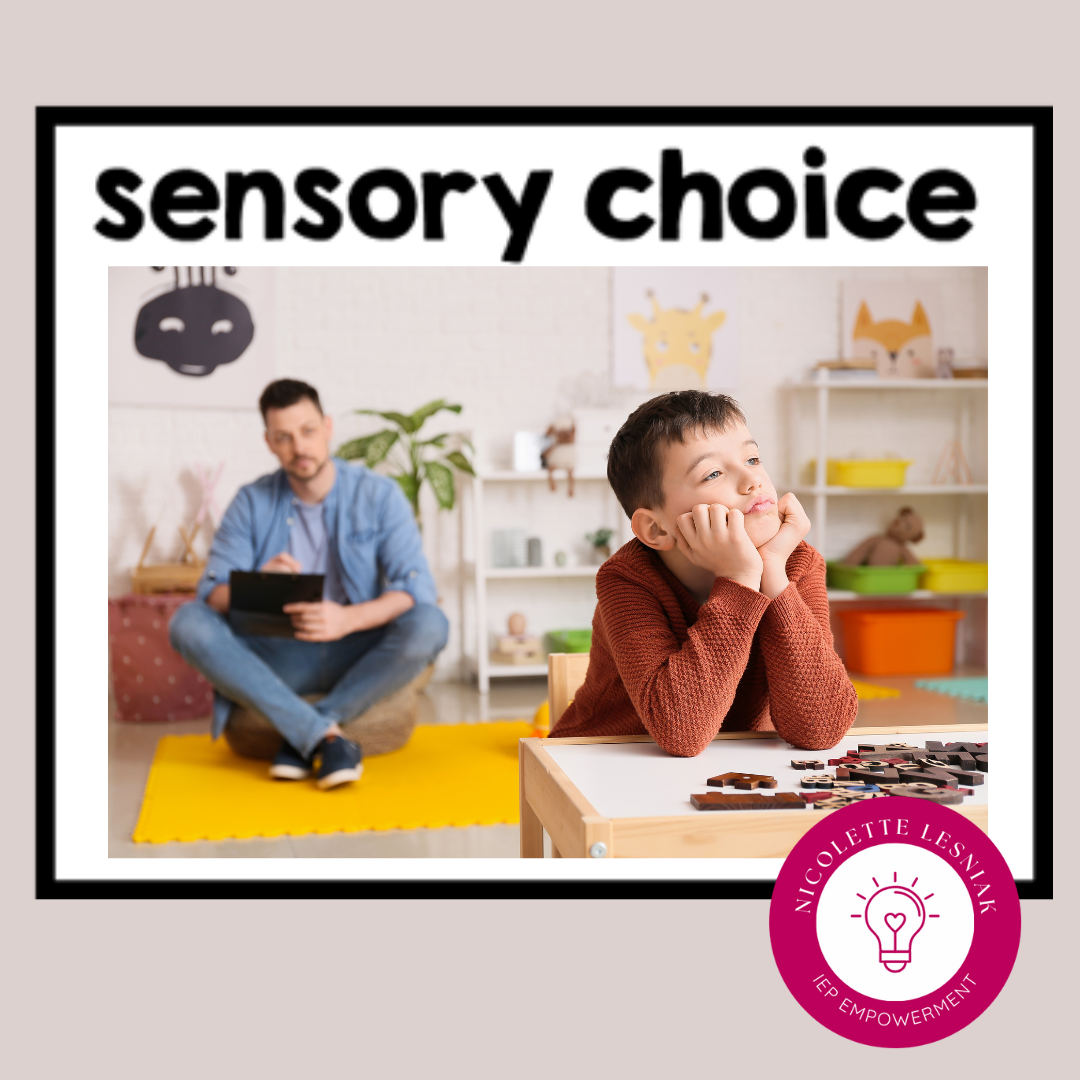
5. Prepare Students for Sensory Changes
Breaks come with sensory surprises—crowded stores, loud relatives, travel noises, or long stretches of unstructured time.
Help students plan by reviewing:
What sensory tools they can use (fidgets, headphones, calming apps)
What they can say if overwhelmed (“I need a break,” “Too loud,” “Not right now”)
What their safe space looks like at home
For students who prefer structure, create a “sensory menu” parents can post on the refrigerator.
6. Maintain Key Anchor Routines
Encourage families to keep a few familiar anchor routines during break, such as:
A consistent wake-up and bedtime
A morning visual schedule
A quiet reading or sensory time
A predictable mealtime
Students don’t need a rigid schedule—just a few predictable moments that help regulate their day.
7. Prepare for Re-Entry Before Students Return
Don’t wait until they walk into your classroom to assist with the post-break transition. Send home:
A “School Starts Soon!” one-page reminder
A visual countdown
A welcome-back social story
A quick family check-in form (“Anything new I should know about?”)
This helps students emotionally prepare and helps teachers respond proactively.
8. Provide Choices and Control During Transition Times
Choice increases a sense of safety.
When students feel overwhelmed, small choices—where to sit, which morning work to start with, what fidget to use—can reduce anxiety and increase engagement.
Offer simple but meaningful control during the transition back to school.
9. Build a “Back-from-Break Routine”
Make your first days back more predictable by:
Reviewing visual supports
Doing a classroom tour
Sharing “What I Did Over Break” pictures or drawings
Reinforcing expectations kindly and clearly
Providing extra sensory and movement time
Keeping academics light until everyone settles
Transitions aren’t the time for testing limits—they’re the time for reconnecting and rebuilding momentum.
10. Celebrate the Return to Routine
Students feel your energy. Make coming back to school feel welcoming and positive:
Play calm music
Offer a welcome message
Use morning meeting to validate emotions (“It’s okay if changes feel hard”)
Encourage peer connections
Reinforce the routines you know support success
A regulated classroom starts with a regulated start.
Final Thoughts
Extended breaks can be overwhelming for students with special needs—but with intentional preparation and a few proactive strategies, transitions become smoother and more predictable.
When we take the time to prepare students, collaborate with families, and build continuity across environments, we aren’t just managing behavior.
We’re building independence, resilience, and confidence.
Nicolette Lesniak is a seasoned special education leader and IEP Educational Coach, passionate about empowering teams to create meaningful, defensible, and student-centered plans.
If this topic sparked ideas, questions, or a desire to deepen your practice, Nicolette would love to continue the conversation. You can reach her directly at hello@nicolettelesniak.com.